
Journalism Matters
800+ news organisations will mark World News Day on September 28, 2026, by demonstrating how their journalism makes a difference. Here are the thoughts of veteran journalists and economic experts on the current media landscape and why #JournalismMatters.
-
Truth in an AI World

By Michael Miller. Today marks World News Day, when newsrooms worldwide make the same point in unison: that trustworthy reporting isn’t a luxury, it’s a lifeline. This year, that point needs making more urgently than most.
-
Media faces violence, persecution and the existential threat posed by AI – and yet we are still here

By Marcelo Rech. Around the world and at any period in history, practicing journalism carries a profound sense of mission – a kind of special priesthood driven by the conviction that free and reliable information possesses the power to positively transform society, or at least slow down the processes of civilizational degradation. In Latin America,…
-
Journalism & Our Chaotic World’s Future

By Branko Brkic and Tina Brown. There is a curious thing about journalism: Everyone seeking power calls us dead but still wants to control it.
-
Democracy Needs Journalism in Every Language

By Anna Mae Lamentillo. As I conduct a language audit of Metro Manila, I am struck by a paradox. This metropolis is home to at least 217 languages, a figure that grows with every new community I encounter. Yet some of the Philippines’ Indigenous and regional languages are fading before our eyes.
-
India’s students found their voice this summer while journalists are losing theirs

By Ritu Kapur. As India marked eighty years of independence this August, I found myself grappling with the very idea of “press freedom”. Because who exactly is the “press” anymore?
-
Football’s enduring controversies show why journalism matters

By Stig Ørskov. 2026 was destined to be a big year for football headlines. So far it has certainly lived up to expectation, with the men’s World Cup providing both glory and controversy, sometimes in equal measure. But front and back pages have also been dominated by off the field concerns, and in particular the…
-
Dystopia, Inc: Would you like your news with or without hallucinations?

By Phil Chetwynd. The obituaries of news agencies have been written on many occasions over the past two decades.
-
A lesson from Ukraine: Newsroom resilience makes press freedom real

By Oksana Brovko. Around 80% of the print run of a local Ukrainian newspaper was burned in a Russian attack. The newsroom had already been destroyed. Yet the newspaper still had to reach its readers.
-
Free press needs alliances against censorship and fragmentation

By Natalia Antelava. I recently reread my father’s diaries from the 1960s: pages of hurried scribbles of an ambitious twenty-something, furious about the hypocrisies and injustices around him.
-
Thank goodness for the storytellers – the ones who probe, question, irritate the powerful

By Meera Selva. This is the year the world caught fire. Often literally – wildfires across Europe and America stopped even the most vocal of climate change skeptics. But also figuratively. We are reminded again how global supply chains are vulnerable to geopolitical shocks, how endless wars force whole communities into spaces they do not…
-
America Was the Arsenal of Democracy; Now It’s Disarming the Press
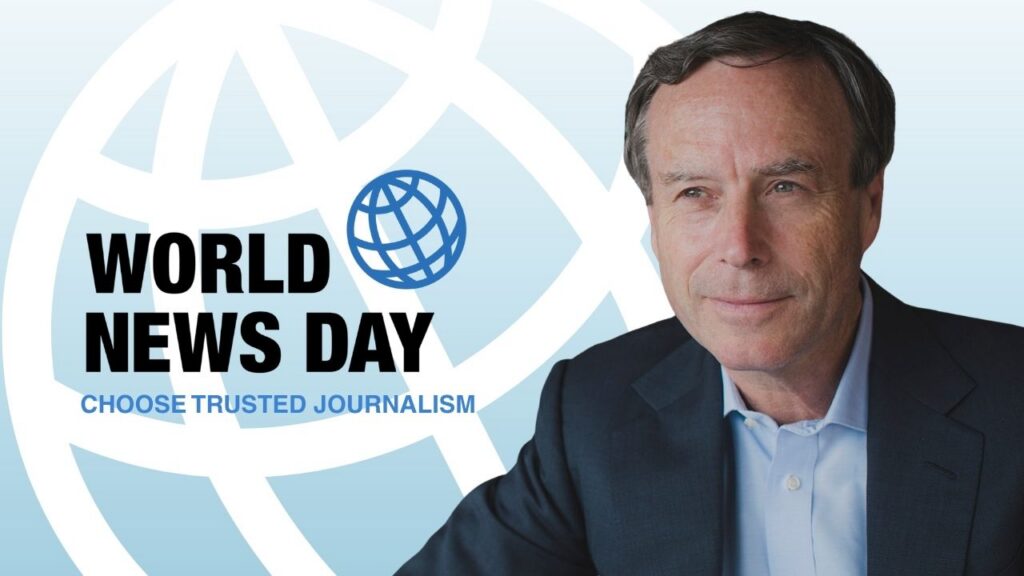
By Lionel Barber. In a radio address in December 1940, one year before the US entered World War II, Franklin D Roosevelt described America as “the arsenal of democracy”. Today, the guns are falling silent across the western front. Independent journalism, the lifeblood of an informed democracy, faces existential challenges, particularly in the US.
-
When information is everywhere, and the reasons to give up are so many… journalism matters even more

By Garry Pierre-Pierre. Last July, news that Haitian businessman and politician Reginald Boulos had been arrested began circulating widely across social media.
-
Remembering 9-11 as a local news story

By Charles M. Sennott. What would happen if the same attack occurred today amid the crisis in local news?
-
Independent News Media Need More Than Short-Term Funding

By Caroline Vuillemin. When communities are cut off by conflict, displaced by violence, or trying to survive a humanitarian crisis, reliable information becomes even more of a practical necessity. Local journalists and public interest media outlets are often the only actors capable of reaching those communities in their own languages and through trusted channels, with…
-
Nicaragua: Reinventing Journalism in Exile
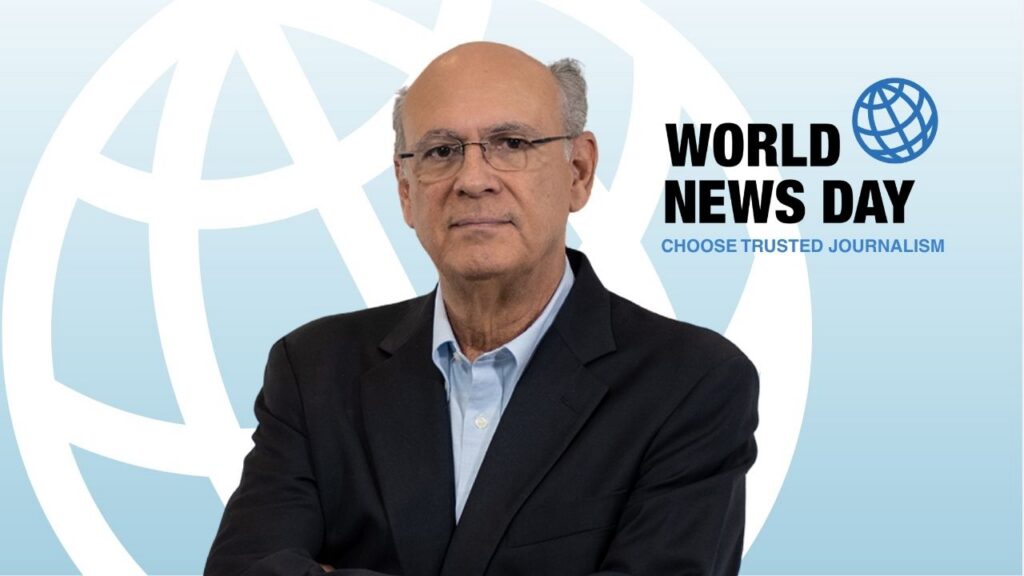
By Carlos Fernando Chamorro. For Confidencial, reinventing journalism in exile is not a matter of aesthetic change; it is a strategy for resistance and survival to defeat censorship.
-
2026 World News Day: Time to fight
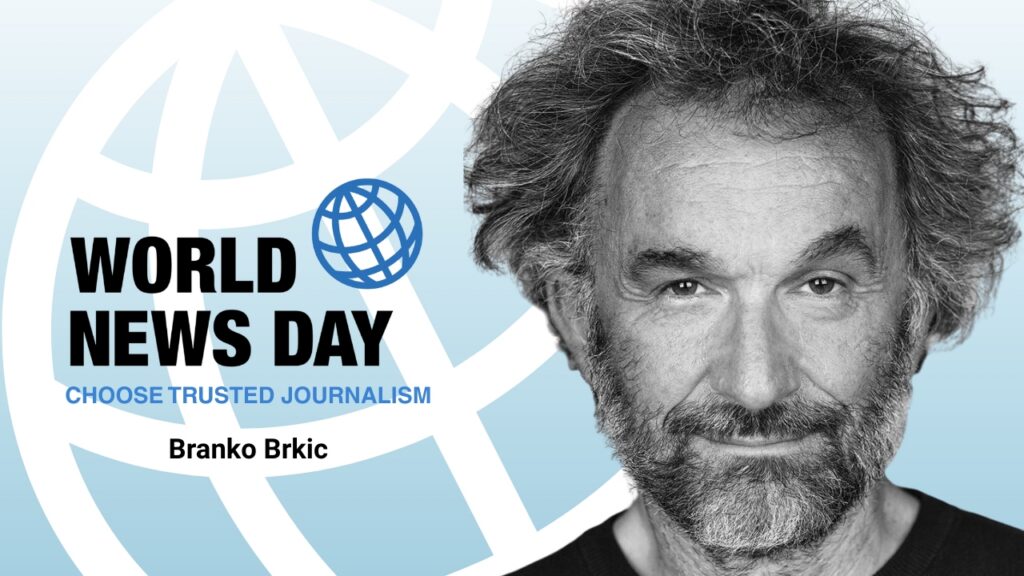
By Branko Brkic. World News Day, 28 September 2026
-
The things I learned from my daughters, a central bank investigation, and a box of watermelon gum

By Alia Ibrahim. For a couple of months in 2020, my dining-room table was covered by a huge map detailing the companies connected to Lebanon’s central bank governor, Riad Salameh. We had been investigating him for months, and by then it was clear to us that he owned at least two dozen companies, many of…
-
The Integrity Dividend: The Value of Knowing

By David Walmsley, Mariya Gabriel, and Liz Corbin. We are not short of information. We have never had more of it. Yet across the world, people struggle to answer the simplest questions: What actually happened? Who decided what? Is it true?
-
The role of the news media in fighting the climate crisis

By Kyle Pope. As awful as the climate headlines have been in 2026 – from melting glaciers to historic wildfires to deadly heatwaves – here’s a sobering fact: there is a very good chance this will be the coolest year of the rest of your life.
-
Journalism is Civic Infrastructure. We need to support it.

By Alberto Ibargüen. When a community is no longer well-informed, a slow social and political train crash follows. We’re already on that track – but it isn’t too late to stop it.
-
We must make truth matter again

By Fernando Belzunce. Misinformation has ceased to be a system malfunction and has become part of its very logic.